
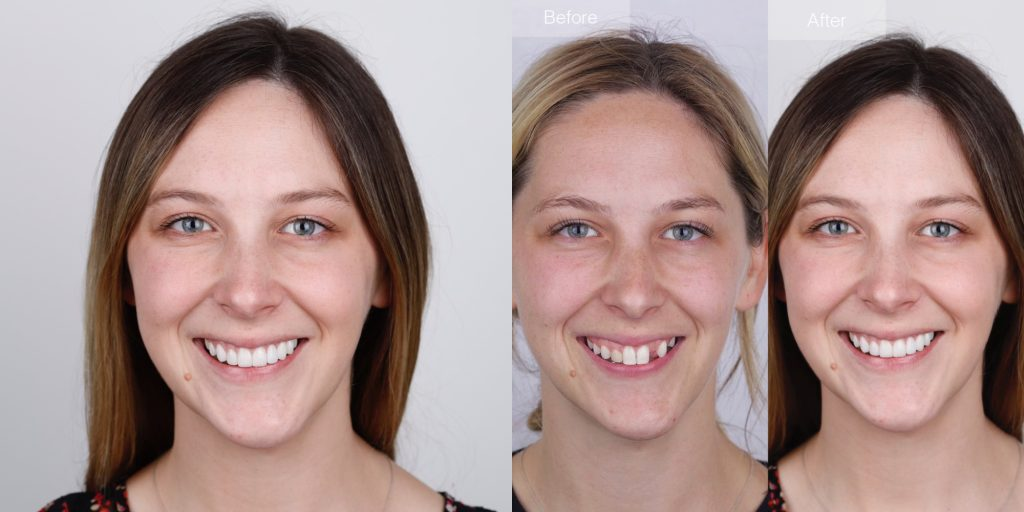
Subtle cosmetic dentistry is not the same as doing very little. It asks the dentist to identify which changes will make the smile feel fresher while preserving the character that still suits the patient. That might mean softening an edge, brightening colour modestly, reshaping proportions, aligning teeth gently, or repairing one old restoration rather than redesigning everything.
The risk of an over-treated look often comes from treating every visible difference as a defect. Natural smiles have variation in translucency, texture, edge shape, shade, and tooth position. A good plan decides which variations add character and which ones distract from confidence, comfort, or oral health.
Dr. Sahil Patel of MaryleboneSmileClinic highlights that subtle cosmetic treatment depends on knowing where to stop. He says that the dentist should identify the smallest change that answers the patient’s concern while preserving healthy tooth structure and natural expression. His guidance keeps the plan disciplined: check the gums first, understand the bite, choose materials that suit the mouth, and judge the result in movement as well as in a still photograph. This approach gives patients confidence without making every tooth look newly manufactured.
Restraint also makes consent more meaningful. The patient can understand why one edge is being softened, why another tooth is being left alone, or why a staged approach is better than changing everything at once. Subtle work is careful work, not casual work.
Start With Proportion Rather Than Perfection
Proportion is often more useful than symmetry for its own sake. The useful starting point is not a procedure name, but the reason the concern has become noticeable now. That gives the dentist a clearer view of whether the patient is asking for colour change, shape refinement, alignment, repair, comfort, or a wider review of dental health.
The dentist may assess tooth width, edge level, gum display, smile curve, and how the lips frame the teeth. In practice, this means reading the visible concern beside gum stability, enamel quality, existing dentistry, bite forces, and daily cleaning. When those findings are explained in ordinary language, the recommendation feels connected to the mouth rather than lifted from a treatment menu.
Patients should explain whether they want a polished version of their own smile or a more obvious transformation. Patients often help the conversation by describing where the issue appears most: photographs, close conversation, eating, speaking, or comparing older and newer smiles. That everyday context gives the clinical assessment a more realistic frame.
Perfectly even teeth can look artificial if they ignore the patient’s face and natural movement. A responsible plan keeps the endpoint open until examination is complete. It avoids treating appearance as separate from health, and it makes sure the final advice includes maintenance as well as the visible change.
A useful clinical explanation should be specific enough for the patient to remember later. Instead of hearing only that an option is suitable, the patient should hear why this detail matters, what it changes, and how it connects to the rest of the mouth.
If the point affects timing, the dentist should name that clearly. If it affects material choice, cleaning access, or review intervals, that should be just as clear. Good planning makes these links visible before the patient is asked to agree.
Before moving on, the patient should be able to connect this point with a practical action: a question to ask, a habit to adjust, a review to keep, or a reason to choose one route over another. That final connection is what makes the section useful rather than merely descriptive.
Preserve Character Where It Helps the Smile
Not every irregularity needs correction. The useful starting point is not a procedure name, but the reason the concern has become noticeable now. That gives the dentist a clearer view of whether the patient is asking for colour change, shape refinement, alignment, repair, comfort, or a wider review of dental health.
Small rotations, texture differences, translucency, or natural shade variation can give a smile personality. In practice, this means reading the visible concern beside gum stability, enamel quality, existing dentistry, bite forces, and daily cleaning. When those findings are explained in ordinary language, the recommendation feels connected to the mouth rather than lifted from a treatment menu.
The patient can identify features they like, even if they also want other details improved. Patients often help the conversation by describing where the issue appears most: photographs, close conversation, eating, speaking, or comparing older and newer smiles. That everyday context gives the clinical assessment a more realistic frame.
Removing every natural feature may solve one concern while creating a less familiar smile. A responsible plan keeps the endpoint open until examination is complete. It avoids treating appearance as separate from health, and it makes sure the final advice includes maintenance as well as the visible change.
A useful clinical explanation should be specific enough for the patient to remember later. Instead of hearing only that an option is suitable, the patient should hear why this detail matters, what it changes, and how it connects to the rest of the mouth.
If the point affects timing, the dentist should name that clearly. If it affects material choice, cleaning access, or review intervals, that should be just as clear. Good planning makes these links visible before the patient is asked to agree.
Before moving on, the patient should be able to connect this point with a practical action: a question to ask, a habit to adjust, a review to keep, or a reason to choose one route over another. That final connection is what makes the section useful rather than merely descriptive.
Use Small Changes to Reduce Visual Tension
A subtle plan often focuses on the details that pull attention. The useful starting point is not a procedure name, but the reason the concern has become noticeable now. That gives the dentist a clearer view of whether the patient is asking for colour change, shape refinement, alignment, repair, comfort, or a wider review of dental health.
A chipped edge, dark triangle, worn corner, uneven bonding margin, or strong stain line may be more important than overall tooth shape. In practice, this means reading the visible concern beside gum stability, enamel quality, existing dentistry, bite forces, and daily cleaning. When those findings are explained in ordinary language, the recommendation feels connected to the mouth rather than lifted from a treatment menu.
Patients should describe where their eye goes first when they see their smile. Patients often help the conversation by describing where the issue appears most: photographs, close conversation, eating, speaking, or comparing older and newer smiles. That everyday context gives the clinical assessment a more realistic frame.
Treating the whole smile when one detail is responsible can make the plan larger than necessary. A responsible plan keeps the endpoint open until examination is complete. It avoids treating appearance as separate from health, and it makes sure the final advice includes maintenance as well as the visible change.
A useful clinical explanation should be specific enough for the patient to remember later. Instead of hearing only that an option is suitable, the patient should hear why this detail matters, what it changes, and how it connects to the rest of the mouth.
If the point affects timing, the dentist should name that clearly. If it affects material choice, cleaning access, or review intervals, that should be just as clear. Good planning makes these links visible before the patient is asked to agree.
Before moving on, the patient should be able to connect this point with a practical action: a question to ask, a habit to adjust, a review to keep, or a reason to choose one route over another. That final connection is what makes the section useful rather than merely descriptive.
Keep Gum Lines and Edges Honest
The gum line frames subtle treatment. Good cosmetic dentistry often depends on the details that are least obvious in a still photograph. A smile has to move, speak, chew, clean, and age, so the plan needs to respect more than a front-facing image.
Inflammation, recession, uneven margins, and cleaning access influence whether an edge repair or veneer will look stable. The dentist may look at gum levels, tooth proportions, edge position, bite contacts, shade variation, and how old dental work sits beside natural enamel. These findings help decide whether the safest route is whitening, bonding, alignment, veneers, repair, or no treatment for now.
The patient should ask whether gum health needs improvement before visible changes are planned. The patient should be encouraged to say what they want to keep as well as what they want to change. That keeps the plan from flattening natural character into a generic version of a smile.
A clean-looking edge on day one is not enough if it becomes difficult to maintain. A change that looks neat but feels difficult to clean is not a strong result. Appearance and maintenance need to be designed together from the first conversation.
For London patients, practical details often decide whether advice is followed. Appointment timing, travel, work commitments, and daily routines should not replace clinical judgement, but they should shape how the plan is explained and supported.
When a recommendation fits the person’s real week, it is easier to maintain. The aim is not perfection in a quiet moment; it is a routine that still works when the patient is busy, tired, travelling, or managing several priorities at once.
The same principle applies whether the final care is simple or involved. A small cosmetic refinement still deserves clear reasoning, and a larger plan should be broken into steps the patient can follow without pressure.
Avoid Treating One Tooth in Isolation
A single visible tooth still belongs to the whole smile. This decision point is where convenience and clinical judgement need to be separated. A faster route, a simpler label, or a lower price only helps if the underlying assessment still supports it.
Shade, shape, bite, and contact points must be judged against neighbouring teeth and the opposing arch. The dentist should explain what has been checked and what remains uncertain. Gum inflammation, heavy contacts, thin enamel, old restorations, dry mouth, or a history of sensitivity can all change the order of care.
Patients can ask how a proposed change will blend with untreated teeth in speech and photographs. Patients can ask what would happen if they waited, chose a smaller step, or treated a health issue first. Those questions are practical, and they often reveal whether the recommendation is flexible enough to be trusted.
One tooth can be improved carefully, but it should not be designed as if the rest of the mouth does not exist. The safest answer is usually specific rather than absolute. It names the benefit, the limit, the aftercare, and the reason the option suits this mouth at this time.
This is where photographs and records can be helpful. They give the patient something concrete to compare, and they help the dentist explain why a small adjustment, a staged plan, or a different option is being suggested.
Records also make review more meaningful. If the smile, bite, gum response, or material surface changes over time, the dentist and patient can discuss that change with context rather than relying on memory alone.
This also gives the dentist a chance to check understanding. If the patient can describe why the detail matters, what it changes, and how it will be maintained, the decision is more likely to be informed rather than passive.
Let Restraint Guide the Final Review
The final review should check whether the smile still feels like the patient. This decision point is where convenience and clinical judgement need to be separated. A faster route, a simpler label, or a lower price only helps if the underlying assessment still supports it.
Photographs, bite checks, polishing, shade review, and cleaning instruction all help confirm that the result is both aesthetic and practical. The dentist should explain what has been checked and what remains uncertain. Gum inflammation, heavy contacts, thin enamel, old restorations, dry mouth, or a history of sensitivity can all change the order of care.
Patients should be encouraged to notice comfort, speech, confidence, and maintenance rather than only brightness. Patients can ask what would happen if they waited, chose a smaller step, or treated a health issue first. Those questions are practical, and they often reveal whether the recommendation is flexible enough to be trusted.
The best subtle result is often the one people notice as health and confidence before they notice treatment. The safest answer is usually specific rather than absolute. It names the benefit, the limit, the aftercare, and the reason the option suits this mouth at this time.
This is where photographs and records can be helpful. They give the patient something concrete to compare, and they help the dentist explain why a small adjustment, a staged plan, or a different option is being suggested.
Records also make review more meaningful. If the smile, bite, gum response, or material surface changes over time, the dentist and patient can discuss that change with context rather than relying on memory alone.
This also gives the dentist a chance to check understanding. If the patient can describe why the detail matters, what it changes, and how it will be maintained, the decision is more likely to be informed rather than passive.