Outdoor Living Spaces Work Better When Ticks Are Under Control

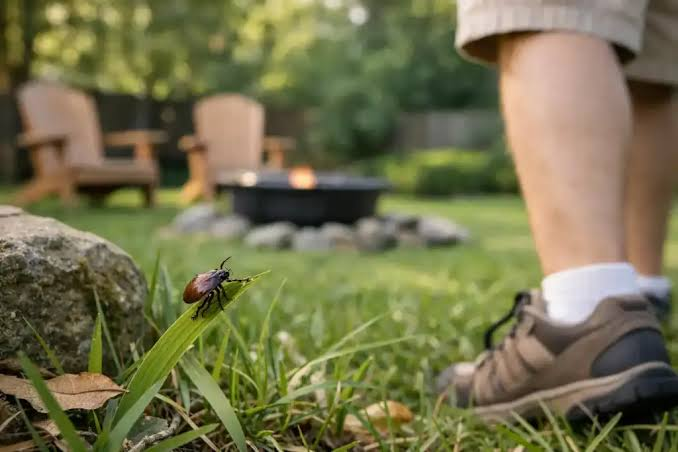
When you invest time and money creating an outdoor living space, the last thing you want is to spend summer evenings swatting at insects or worrying about disease transmission. Ticks represent a genuine threat to your ability to enjoy patios, decks, and yard areas comfortably. These small parasites can carry serious illnesses, and their presence often forces families to abandon outdoor plans or resort to heavy pesticide use. Understanding tick control as a core component of outdoor space management helps you reclaim your yard and truly maximize your investment in outdoor living.
1. Understanding the Tick Problem in Residential Yards
Ticks thrive in environments with tall grass, leaf litter, and dense vegetation. Residential yards, especially those adjacent to wooded areas or open fields, create ideal conditions for tick populations to flourish. Many homeowners don’t realize that ticks don’t jump or fly; instead, they crawl onto hosts from ground-level vegetation or climb from undergrowth when people or pets pass nearby. This behavior means that tall grass, unmaintained shrubs, and accumulated leaf debris become highways for tick movement directly into outdoor living zones. Understanding this biology is the first step toward developing a control strategy that protects your family and allows you to enjoy your outdoor space without constant vigilance.
2. How Tick Presence Affects Outdoor Enjoyment
A single encounter with ticks can fundamentally change how your family uses outdoor living spaces. Children become hesitant to play on the lawn, adults avoid barefoot yard time, and pets refuse to venture into areas where they’ve previously picked up ticks. The psychological impact is significant: even if the actual tick population is small, the knowledge that they exist creates anxiety that dampens the relaxation your outdoor space should provide. Additionally, the time spent inspecting family members and pets for ticks after outdoor time becomes a routine chore that many homeowners find stressful and disruptive to evening routines. When tick control is addressed, these concerns diminish substantially, and your outdoor living space transforms back into a welcoming area for all activities.
3. Landscape Modifications That Reduce Tick Habitat
Creating a tick-resistant landscape requires intentional modifications to eliminate the environments where ticks thrive most. Regular lawn mowing keeps grass short and removes the dense cover that ticks use to hide and await passing hosts. Installing a barrier of wood chip mulch or gravel between wooded areas and your seating zones significantly reduces tick migration into prime outdoor living areas. Removing dead leaves, branches, and other ground debris eliminates the moist, sheltered spaces where ticks wait out dry periods. Trimming lower branches on trees and shrubs eliminates the shaded, humid microclimates that support large tick populations throughout warmer months. These landscape changes typically involve standard yard maintenance practices that offer the dual benefit of improving overall property appearance while making outdoor spaces more hospitable for human use.
4. Targeted Treatment Approaches for Active Tick Control
When landscape modifications alone prove insufficient, targeted treatments can effectively manage tick populations without saturating your yard with broad-spectrum pesticides. Perimeter treatments around the edges of your outdoor living space create a buffer zone that ticks encounter before reaching seating areas or play zones. Spot treatments for particularly problematic areas, such as the base of trees or dense shrub lines, allow you to address concentrations without treating the entire property. Homeowners managing wooded lots and yard borders who rely on effective tick control in Charlotte, NC find that professional pest management services can identify specific tick species present and recommend treatments tailored to those particular pests. Seasonal application schedules that correspond with peak tick activity periods add another layer of precision, ensuring treatments are applied when and where they deliver the most benefit.
5. Protecting Your Family and Pets During Outdoor Activities
Effective tick control also includes personal protection strategies that complement landscape management and treatment programs. Wearing light-colored clothing makes ticks easier to spot before they attach, and tucking pants into socks provides a physical barrier that ticks must navigate. Checking family members and pets for ticks immediately after outdoor time, before attachment occurs, prevents many tick-borne illnesses from developing. Creating designated low-risk zones within your outdoor space, such as treated patio areas or screened porches, gives your family reliable retreat spaces even when some tick presence persists at the yard’s edges. Teaching children to be aware of their surroundings without fostering excessive anxiety helps them develop practical habits for safe outdoor play. These protective measures work most effectively when combined with active landscape management and treatment strategies, creating multiple layers of defense against tick problems.
Conclusion
Outdoor living spaces represent significant investments in property value and family quality of life, but their full potential remains unrealized when tick populations create discomfort and health concerns. Effective tick control integrates landscape management, targeted treatments, and personal protection strategies into a comprehensive approach that addresses the problem from multiple angles. By understanding tick biology and behavior, you can design outdoor environments that naturally discourage tick presence while creating spaces genuinely welcoming for relaxation and recreation. The effort required to implement these measures is modest compared to the improvement in how your family experiences your outdoor space throughout the year. Taking action to manage ticks means your outdoor living area becomes what you intended it to be: a comfortable, enjoyable extension of your home.