

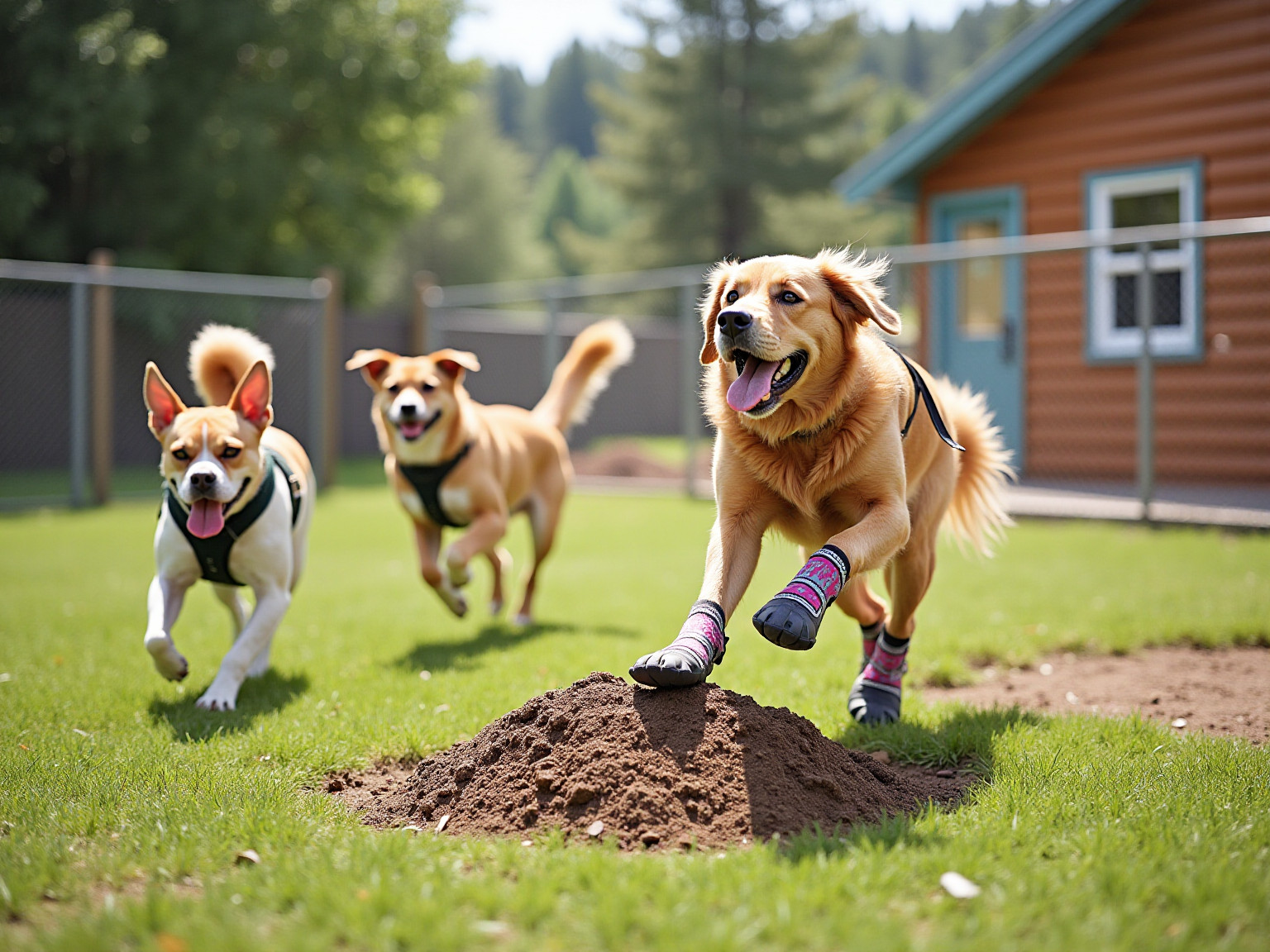
You have seen the videos. A dog wears boots for the first time and suddenly forgets how to walk. They lift their legs comically high, freeze in place, or do a frantic dance to shake the strange objects off their feet. While these clips often go viral for being adorable, they highlight a real challenge for pet owners.
Many owners give up right there. They assume their dog hates the boots and that the struggle isn’t worth it. But if you live in an area with scorching pavement, icy sidewalks, or jagged terrain, giving up isn’t really an option.
The truth is, most dogs don’t hate shoes; they are just confused by them. With the right approach, you can turn that awkward dance into a confident stride. This guide will explain the science behind your dog’s reaction and show you exactly how to train dogs to wear shoes without stress or fear.
Why the Struggle Is Worth It
Before we dive into the “how,” let’s reinforce the “why.” Training requires patience, and it helps to remember that you aren’t just dressing your dog up—you are protecting them from serious medical issues.
The modern world is not designed for paws. Nature designed pads for dirt and grass, not for asphalt that reaches 140°F in the summer or sidewalks coated in toxic de-icing salts in the winter.
Dog paw protection is a legitimate health necessity. Without it, dogs face distinct risks:
- Thermal Burns: Hot pavement can blister pads in seconds.
- Chemical Burns: Road salts can cause painful sores and toxicity if ingested.
- Cuts and Abrasions: jagged ice, glass, and sharp rocks can slice through pads, leading to infections.
When you look at it this way, teaching your dog to tolerate boots is just as important as teaching them to sit or stay. It is a safety skill that could save you a trip to the emergency vet.
The Science of the “Boot Dance”
To train effectively, you must understand what your dog is feeling. When you put shoes on a dog, you aren’t just covering their feet; you are blocking their sensory input.
Dogs rely heavily on proprioception—the awareness of where their body is in space. A huge amount of this data comes from the tactile feedback their paw pads receive from the ground. When that feedback is suddenly muffled by a rubber sole, their brain panics slightly.
They think their feet are stuck in mud, caught in a trap, or stepping over a high obstacle. This causes the exaggerated high-stepping motion.
So, are dog shoes good for dogs if they cause this confusion? Yes, absolutely. The confusion is temporary. It is similar to wearing a new pair of stiff hiking boots or flippers. It feels weird at first, but your brain adjusts. Your goal in training is to help their brain make that adjustment faster.
Phase 1: The Setup (Before You Even Touch a Paw)
The biggest mistake owners make is forcing the shoes on immediately. If you wrestle your dog and strap boots onto all four feet while they struggle, you create a negative association. Your dog learns that “boots = stress.”
Instead, start with positive association.
Step 1: The Introduction
Place the boots on the floor near your dog’s food bowl or toy box. Don’t try to put them on. Just let them be part of the environment.
- If your dog sniffs a boot, say “Yes!” and give them a high-value treat.
- Repeat this a few times a day for two days.
- You want your dog to look at the boots and think, “Oh look, the treat dispensers are here.”
Step 2: Desensitizing the Touch
Many dogs are sensitive about their paws being handled. Before introducing the shoe, make sure your dog is okay with you holding their foot.
- Gently squeeze their paw. Treat.
- Spread their toes slightly (as you would when putting on a boot). Treat.
- Touch the boot to their paw without putting it on. Treat.
Phase 2: The “Cinderella” Method
Now you are ready to try the gear on. Do not put all four boots on at once. This is overwhelming and can cause your dog to panic.
How to train dogs to wear shoes effectively involves a gradual approach:
- One Foot Only: Put a boot on just one front paw. Fasten it securely but check that it isn’t too tight.
- Jackpot Reward: Immediately give your dog a handful of delicious treats. Peanut butter on a spoon works wonders here because it keeps them licking and distracted.
- Short Duration: Leave the boot on for only 30 to 60 seconds.
- Remove and Ignore: Take the boot off and stop the treats. You want your dog to realize that the fun stops when the boot comes off.
Repeat this process with each paw individually. This teaches the dog that the strange feeling on their foot predicts good things.
Phase 3: The Distraction Technique
Once your dog tolerates one boot, you can move to two (front paws usually), and finally all four. However, this is where the “freeze” usually happens. Your dog might stand like a statue, refusing to move.
Do not coddle them or try to lure them with a treat from across the room. You need to snap their brain out of “paw focus” mode and into “play mode.”
The Power of Movement
As soon as the boots are on, immediately engage in a high-energy activity they love.
- The Leash Cue: If your dog loves walks, snap the leash on immediately and open the door. The excitement of the walk often overrides the weird feeling of the shoes.
- Fetch: Throw a favorite ball. Their prey drive will kick in, and they will likely run after it, forgetting about their feet.
- Training Drills: Ask for simple commands like “sit,” “down,” or “touch.” This engages their thinking brain and distracts them from their feet.
The goal is to get them moving. Once they take those first few running steps, the “funny walk” usually disappears as their brain realizes they can still run and play normally.
Troubleshooting Common Issues
Even with the best training, you might hit some roadblocks. Here is how to handle common problems when introducing dog paw protection.
Problem: The Boot Keeps Flying Off
If the shoe goes flying across the room the moment your dog shakes their leg, the fit is likely wrong.
- Check the Size: A boot that is too loose will fall off; one that is too tight will be painful. Measure your dog’s paw while they are standing (weight-bearing) to get the accurate width.
- Secure the Strap: Ensure the velcro strap is snug. It should be tighter than you think—like a firm handshake or a snug watch band. It needs to sit above the metacarpal pad (the big pad) but below the carpal pad (the stopper pad on the wrist).
Problem: My Dog Chews the Boots
If your dog treats the boots like chew toys, do not leave them unattended.
- Management: Only put boots on when you are actively supervising or walking.
- Redirection: If they start gnawing at their feet, interrupt them with a noise or a command, then redirect them to a toy or start walking. Walking is the best cure for chewing; they can’t chew if they are trotting.
Problem: Chafing or Sores
Some dogs have sensitive skin. If you notice redness after a walk, you need to adjust.
- Socks: Yes, dogs can wear socks! Toddler socks or specialized dog liners can prevent rubbing.
- Break-in Period: stiff boots need to be broken in. Flex them with your hands before putting them on your dog to soften the material.
The Verdict on Dog Shoes
It is easy to dismiss dog boots as a silly trend, but they are a tool that expands your dog’s world. They allow you to hike on rocky terrain without injury. They let you walk on city streets in mid-July without fear. They give senior dogs the grip they need to stand up on hardwood floors.
So, are dog shoes good for dogs? When chosen correctly and introduced properly, they are one of the best investments you can make for your pet’s long-term health.
By taking the time to train properly, you remove the stress from the equation. You turn a scary experience into a routine part of your adventure. With patience, plenty of treats, and the right distraction techniques, your dog will soon be marching confidently beside you, ready to tackle any terrain the world throws at their paws.