Susan Dee Robbins: Dale Robertson’s Wife, Ranch Life, and Bucking Hollywood

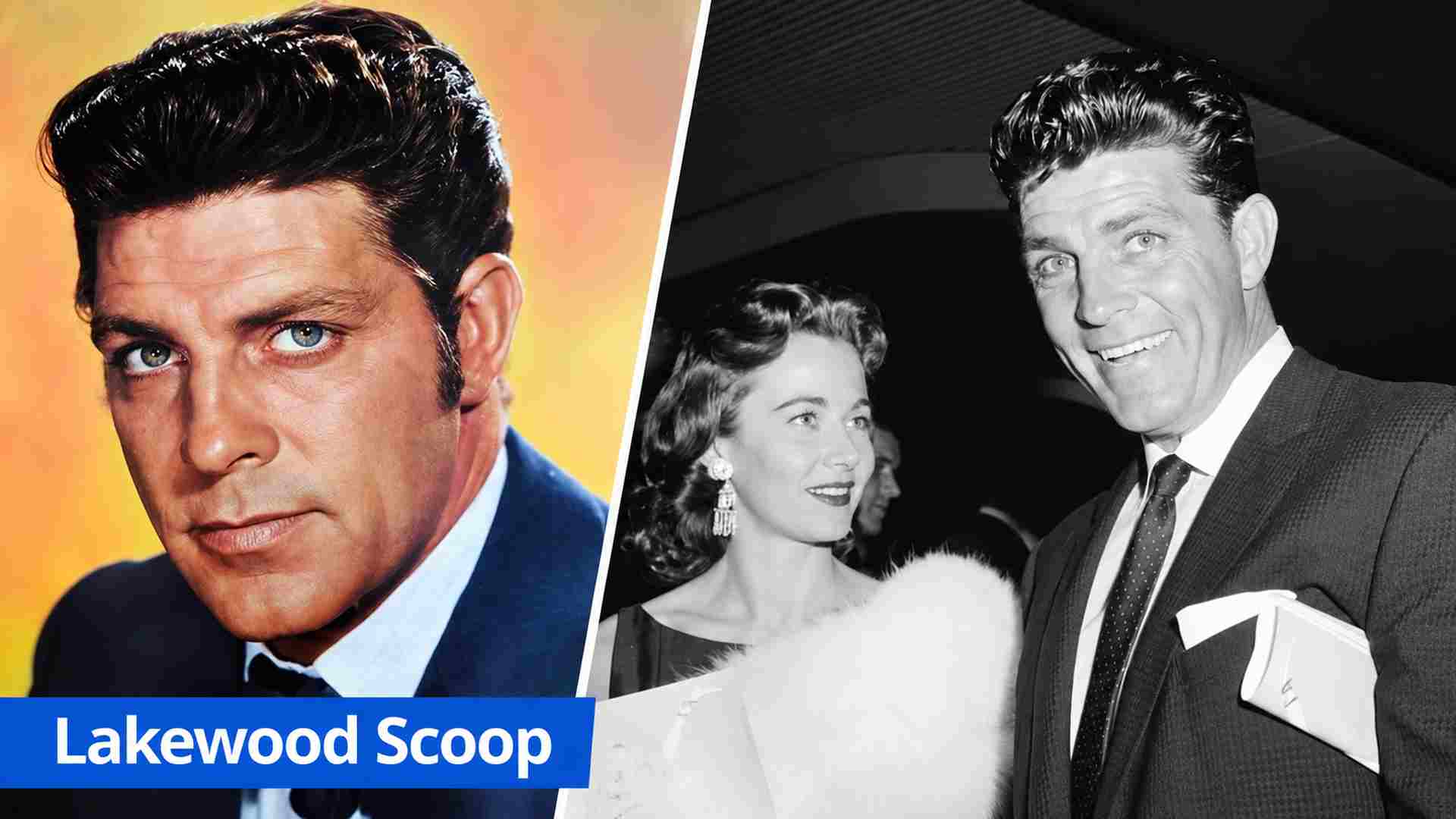
Susan Dee Robbins was the wife of Western star Dale Robertson for 33 years, and they stayed together from their 1980 marriage until his death in 2013. Their years together included his later acting work, life on a horse ranch in Yukon, Oklahoma, and a final move to the San Diego area. In 2019, she published Bucking Hollywood, a book about Dale’s life and career.
In this article, we look at the marriage Susan Dee Robbins shared with Dale, their ranch years, his last months, and the book she wrote after his death. The story also explains why her name still appears beside one of the best-known TV cowboys of the classic Western era.
A 33-Year Marriage Began in 1980
Dale was already a major star when the couple married in 1980, since his biggest rise came years earlier when Western films and TV shows were at their peak.
The Los Angeles Times later described Susan as his wife of 33 years, a marriage that lasted until his death in 2013. It was a long final chapter in a life that had already included war service, film fame, TV success, and earlier marriages.
Susan Dee Robbins did not build a public acting career beside him, becoming known instead through their marriage and the life they shared away from the cameras. That makes her story different from that of many spouses who also worked in film or TV. By 1980, Dale had less to prove in Hollywood after years of playing cowboys, soldiers, lawmen, and other tough roles. He had also become known for a plain speaking style that matched many of his screen roles. The marriage placed Susan beside him during a calmer stage of his life, when ranch work, horses, and home became more important.
Dale Robertson Was Already a Western TV Star
Dale’s career gives the marriage much of its public context.
He became famous as Jim Hardie in Tales of Wells Fargo, a role that made him a familiar face in American homes. He later starred in Iron Horse and hosted Death Valley Days, then appeared in Dynasty and Dallas during the 1980s.
A New York Times report carried by the Houston Chronicle said Dale appeared in more than 60 films and 430 TV episodes. That body of work made him one of the lasting faces of the Western genre.
His road to Hollywood was unusual because, before acting, he served in the U.S. Army during World War II. The Los Angeles Times reported that he was wounded twice and received the Bronze Star, Silver Star, and Purple Heart.
A photo taken while he was serving in California helped start his screen career after movie scouts noticed the picture and acting offers followed.
By the time Susan Dee Robbins entered his life, Dale had already lived through the years that built his fame. Their marriage belonged to the later part of that story.
Horses Were Part of Their Real Life, Not Just the Screen
Dale’s cowboy image was not only an acting role, since horses had been part of his life since he was young.
The Boston Globe reported that he was a skilled rider as a child and was training polo ponies while still a teenager. He later said acting helped him earn the money he needed to build the horse life he wanted.
INSP describes how Dale and his brother Chet built Haymaker Farms, where they raised and trained racehorses, including successful Quarter Horses and thoroughbreds. The farm produced stakes winners and champions, and after it was sold, Dale and Susan later lived on his ranch in Yukon, Oklahoma.
That setting became a key part of the life Susan Dee Robbins shared with him. It was far from the image of constant red carpets and studio parties. The couple’s later years were tied to Oklahoma, horses, and a much quieter pace. The Los Angeles Times said Dale spent more time at his Yukon ranch after leaving acting. He raised horses there and stayed close to the life he had wanted long before fame arrived. Susan shared a home with a famous actor who never lost his bond with ranching. The work he did on TV looked Western, but the horses at home were real.
Their Home Life Sat Outside the Hollywood Spotlight
During their marriage, Susan stayed outside Dale’s acting work and the public life that came with it. Their later years were centered more on home, horses, and the ranch.
That lower profile continued for many years. After Dale’s death, the Boston Globe named Susan as his surviving wife and listed Rochelle Robertson and Rebel Lee among his survivors, along with a granddaughter.
The ranch also gave the couple a life that felt separate from his screen work after Dale had spent decades playing men of the West. At home, he could focus on horses and the land without a script, a life very different from his years of constant filming. Dale was no longer chasing his first big break and was moving toward retirement and a home life built around things he had loved since childhood.
The Final Move Took Them to the San Diego Area
Near the end of Dale’s life, his health declined. The Los Angeles Times reported that he left the Yukon ranch for the San Diego area during his final months. His niece said the move came as his health became worse. Dale died in February 2013 at age 89 from complications of lung cancer and pneumonia, according to the New York Times report. It credited that information to his wife, Susan, who had spent most of the marriage away from the press.
At the end of Dale’s life, she became the spouse who confirmed the facts of his death.
The Los Angeles Times later described Susan as the wife who had shared his life for 33 years, while a separate notice also named her as his loving wife.
She had been with Dale through his later acting years, retirement, ranch life, and final illness. His death ended the marriage, but it did not end her link to his story.
Bucking Hollywood Gave Her a Voice of Her Own
In 2019, Susan Robertson published Bucking Hollywood through Page Publishing, and Google Books lists the book at 396 pages. It describes the work as Dale Robertson’s life story told by his wife.
The book marked a major change in Susan’s public role because, for decades, she was mainly known as Dale’s spouse. Now she was the person writing his life story.
The publisher’s description says she wrote the book herself without a ghostwriter because Dale had never completed an autobiography. She wanted to preserve his story after he was gone, giving the book a personal base. Susan Dee Robbins had spent more than three decades with Dale. She knew the ranch years, his habits, his views, and the part of his life that came after the height of his fame.
Bucking Hollywood covers his childhood, Army service, personal life, and screen career while also putting her own memories into print.
The title fits Dale’s public image because he was known for doing things his own way and for speaking his mind. The book gave Susan a way to explain that side of him from inside the marriage.
Her 2019 Author Bio Added a Later Update
The book also gave readers a later update about Susan, with Google Books stating that she was living in San Diego, California, when Bucking Hollywood was released in 2019. The author note says she was there to be closer to family, a detail that comes from the book’s own author material. It also connects with the couple’s move to the San Diego area during Dale’s final months.
Susan Dee Robbins was no longer living only in the shadow of old TV credits. By 2019, she had become the author of a long book tied to her husband’s life and the years they spent together.
A 2014 Florida obituary belongs to a different woman with the same name. It names Howard Lieberman as her husband and lists a different family, so it does not refer to Dale Robertson’s wife.
Preserving Dale Robertson’s Story Became Her Public Legacy
The years after Dale’s death gave Susan a different public role, but she did not become an actress or a TV figure. Instead, she became the keeper of a large part of his story. That role matters because Dale’s career came from an older age of Hollywood, before social media, streaming, or online archives. His work lived in films, TV episodes, interviews, and the memories of people who knew him.
Susan had shared 33 years with him, and writing a book gave her a way to save those memories in one place.
It also gave fans a bridge between the cowboy they knew on screen and the man who lived on an Oklahoma ranch after the cameras slowed down.
Susan Dee Robbins is still best known because of Dale Robertson, but Bucking Hollywood added a clear achievement under her own name. She turned her years beside him into a written record that can outlast both of them.
Susan Dee Robbins and Dale Robertson’s Lasting Story
Susan Dee Robbins is part of Dale Robertson’s story in a way that reaches far beyond a short celebrity marriage. Their 33 years together covered his later career, his ranch life in Oklahoma, his retirement, and his final move to California.
Her place in that history became even clearer after his death. In 2019, she published Bucking Hollywood and explained that she wanted to preserve the life story Dale never wrote himself.
That book became her clearest work under her own name and gave Dale’s fans a personal account of his life after his death. She shared his quieter last chapter and later became one of the people who made sure it was written down.
For another story about a woman linked to a classic TV star, read Solica Casuto’s story on LakewoodScoop.co.uk.