Susan Dee Robbins: Dale Robertson’s Wife, Ranch Life, and Book

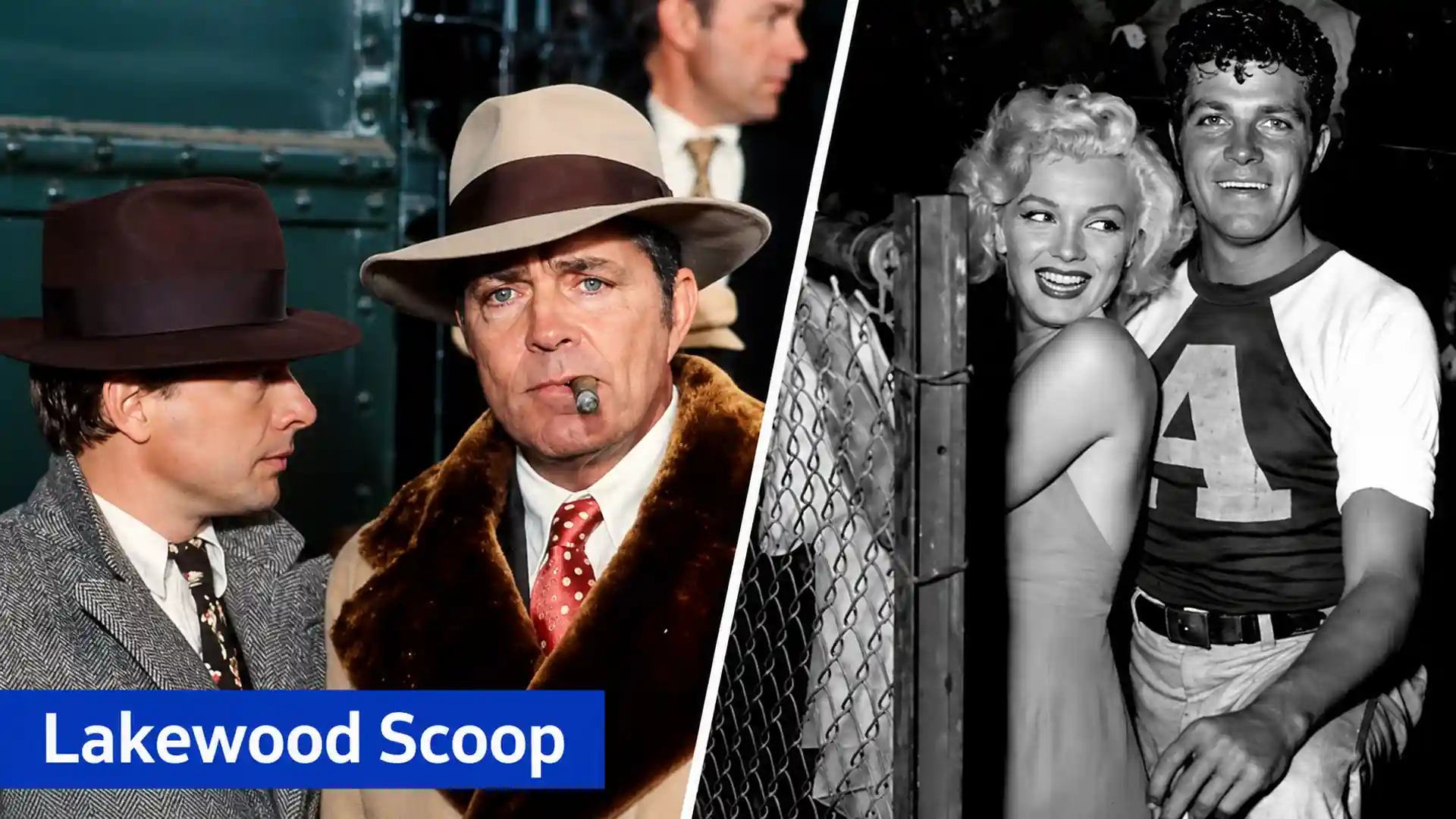
Susan Dee Robbins is best known as the longtime wife of Western film and TV actor Dale Robertson. They married in 1980 and remained together for about 33 years, until his death in 2013, while their later life was closely tied to Robertson’s horse ranch near Yukon, Oklahoma. In 2019, Susan took on a public project of her own by writing Bucking Hollywood, a 396-page book about her husband’s life and career.
In this article, we look at Susan Dee Robbins through the parts of her story that have a clear record: her long marriage to Dale Robertson, the couple’s Oklahoma ranch years, and his final acting period. We also cover the book she later wrote and how her story became part of the legacy of one of TV’s familiar Western stars.
Who Is Susan Dee Robbins?
Susan Dee Robbins became known through her marriage to Dale Robertson, the Oklahoma-born actor who built a long career in Western movies and TV. Susan did not build a public career in film or TV herself, and most strong coverage of her life appears in stories about Robertson’s later years and in the record for Bucking Hollywood.
The couple married in 1980, by which time Robertson had already spent more than three decades in show business. His best-known TV role was Jim Hardie in Tales of Wells Fargo, which ran from 1957 to 1962. He also starred in Iron Horse, hosted Death Valley Days, and appeared in many films during the height of the Western genre.
Susan entered his life after the years that first made him a national TV name, and their marriage covered a later chapter: more acting work, the move toward ranch life, and the years before his death.
A Marriage That Lasted 33 Years
Susan Dee Robbins and Dale Robertson remained married from 1980 until his death in February 2013, and the Los Angeles Times described Susan as his wife of 33 years when it reported his death.
That long marriage placed Susan beside Robertson through a large part of his later adult life. He kept acting after they married, with TV work in the 1980s and early 1990s, and his later credits included Dynasty and other TV roles.
Robertson’s final acting role came in the 1993 series Harts of the West, after which he stepped away from acting and spent more time at his ranch near Yukon, Oklahoma.
Susan shared those ranch years with him, and although the record says much less about her day-to-day routine than it does about Dale’s screen work, the ranch itself became a major part of the couple’s later life.
Ranch Life Was More Than a Western Image
Dale Robertson did not discover horses because Hollywood cast him as a cowboy, since he had been a skilled rider from childhood and was training polo ponies while still young. Horses stayed important long after his Western roles made that image famous.
The Los Angeles Times reported that after leaving acting, he spent more time at his Yukon ranch, where he raised horses, while other accounts of his life also describe years of serious work with horses.
For Susan, life with a Western star eventually centered far from a studio set. The Oklahoma ranch was not a movie location but the home tied to Robertson’s later years and to a love of horses that went back long before his acting career.
That setting also helps explain why Susan’s story feels different from many celebrity-spouse profiles. Her best-known years with Dale are not built around premieres, TV interviews, or a separate show business career. They are tied to his later work, his Oklahoma roots, and the life he chose after acting.
Dale Robertson Was Already a Western Star
Understanding Susan Dee Robbins also means looking at the stage of Dale Robertson’s career she entered.
Robertson was born Dayle Lymoine Robertson in Harrah, Oklahoma, in 1923, and before Hollywood, he boxed and served in the U.S. Army during World War II. He was wounded twice and received the Bronze Star, Silver Star, and Purple Heart.
His route into acting became part of Hollywood lore when, while stationed in California, he had a photo taken for his mother. A copy placed in a shop window caught the eye of movie scouts, and his screen career followed.
He became closely tied to Westerns, appearing in more than 60 films and becoming especially familiar to TV viewers through Tales of Wells Fargo, while his real riding skill made cowboy roles a natural fit.
By the time he married Susan in 1980, the biggest Western boom on American TV had passed. Their life together belonged more to the later phase of his career and the years when ranch life became more central.
The Move From Oklahoma to California
The couple stayed tied to Oklahoma for many years. In the months before Robertson’s death, he moved from the Yukon ranch to the San Diego area.
He died at Scripps Memorial Hospital in La Jolla in February 2013 at age 89, and his family said he had pneumonia and lung cancer.
Susan Dee Robbins was still his wife when he died. News reports at the time identified her as the partner who had shared the previous 33 years of his life.
For fans, his death closed the story of a familiar Western star, while for Susan, it ended a marriage that had lasted since 1980.
Susan Robertson Wrote Bucking Hollywood
Susan Dee Robbins came back into public view six years after her husband’s death. In April 2019, Page Publishing released Bucking Hollywood under the name Susan Robertson. The 396-page book covers Dale Robertson’s childhood, Army service, personal life, films, TV work, and other parts of his career.
The book gives Susan a clear role beyond being listed as an actor’s wife because she became the person who chose to put his story into a full-length work.
The description carried by Google Books says Susan wanted to write the book herself, using her own thoughts and time frame rather than a ghostwriter. Dale had never completed an autobiography, so after his death, she decided to create the record herself.
Google Books lists Susan Robertson as the author and Page Publishing as the publisher, making Bucking Hollywood the strongest public work tied directly to her name.
Why She Wrote the Book Herself
Susan’s reason for writing Bucking Hollywood came from her years with Dale.
The book description says Robertson used to turn down suggestions that he write an autobiography, joking that he did not yet know how the story ended. When he died without writing one, Susan wanted to help preserve his legacy.
That gave her a point of view that a standard film list could not provide. Public records can show roles, dates, awards, and TV shows. A spouse who shared more than three decades with him could also write about the person behind those credits.
Susan did not present herself as a professional writer, and she chose to do the work herself because the subject was personal and because she wanted Dale’s story saved in one place.
Many short profiles stop with the marriage. Bucking Hollywood adds a more useful part of Susan’s story: after becoming a widow, she spent years turning shared memories and public history into a book.
Bucking Hollywood Linked the Ranch and the Screen
The title Bucking Hollywood fits the way Dale Robertson was often seen: an actor who did not always follow the expected Hollywood path.
His career included studio films, major Western TV shows, and later prime-time work, but horses and Oklahoma stayed part of his identity. Susan lived with him during the years when that side of life became more central.
Her book links those two worlds by covering the screen career fans remember while also preserving the life she knew away from the camera.
The book was not a quick celebrity memoir released right after his death but a long account of nearly 400 pages that appeared in 2019, six years later. That makes it an important part of Susan’s own public story, not just a footnote to her husband’s career.
Her Life After Dale Robertson’s Death
When Bucking Hollywood was published in 2019, its author bio said Susan Robertson was living in San Diego, California, to be closer to family.
That gives a clear point in time without turning an old detail into a claim about where she lives now. It also follows the couple’s move toward the San Diego area during Dale’s final months.
After the book appeared, Susan did not become a regular TV personality or build a high-profile celebrity career. Her public work remained closely tied to the book and to preserving Robertson’s story.
The 2019 author bio is the clearest dated update about her later life. It shows that years after Dale’s death, family and his legacy still shaped the public part of her story.
Susan Dee Robbins and Dale Robertson’s Legacy
Susan Dee Robbins holds a clear place in Dale Robertson’s story. She was his wife during the later part of his acting career, shared his ranch years in Oklahoma, remained his wife through his final years, and later became the author of the book about his life.
Robertson is still remembered through Western TV. Tales of Wells Fargo remains the title most closely tied to him, while his work in films, Iron Horse, Death Valley Days, and later TV shows gives his career a much wider range.
Susan’s part came after many of those credits were already part of screen history. Her book added a family point of view and created one long account that traced his life beyond the familiar image of the TV cowboy.
A Private Life With One Lasting Public Project
Susan never needed a separate Hollywood career to become part of Robertson’s legacy. Her public story is built around a long marriage, the Oklahoma ranch years, and one major project after his death.
Bucking Hollywood turned those years into a published record. It also gave readers something short celebrity profiles cannot offer: an account shaped by the person who shared the final three decades of Dale Robertson’s life.
Susan Dee Robbins is more than a name attached to an old Hollywood marriage. The verified record shows a wife who remained with Robertson for 33 years and later took responsibility for telling his story in book form.
For another LakewoodScoop.co.uk profile about a woman connected to a classic American TV star, read our Solica Casuto story on LakewoodScoop.co.uk.