Teresa Muchnik Rosenblum: Don Francisco’s Wife, Family, and Life Behind Sábado Gigante

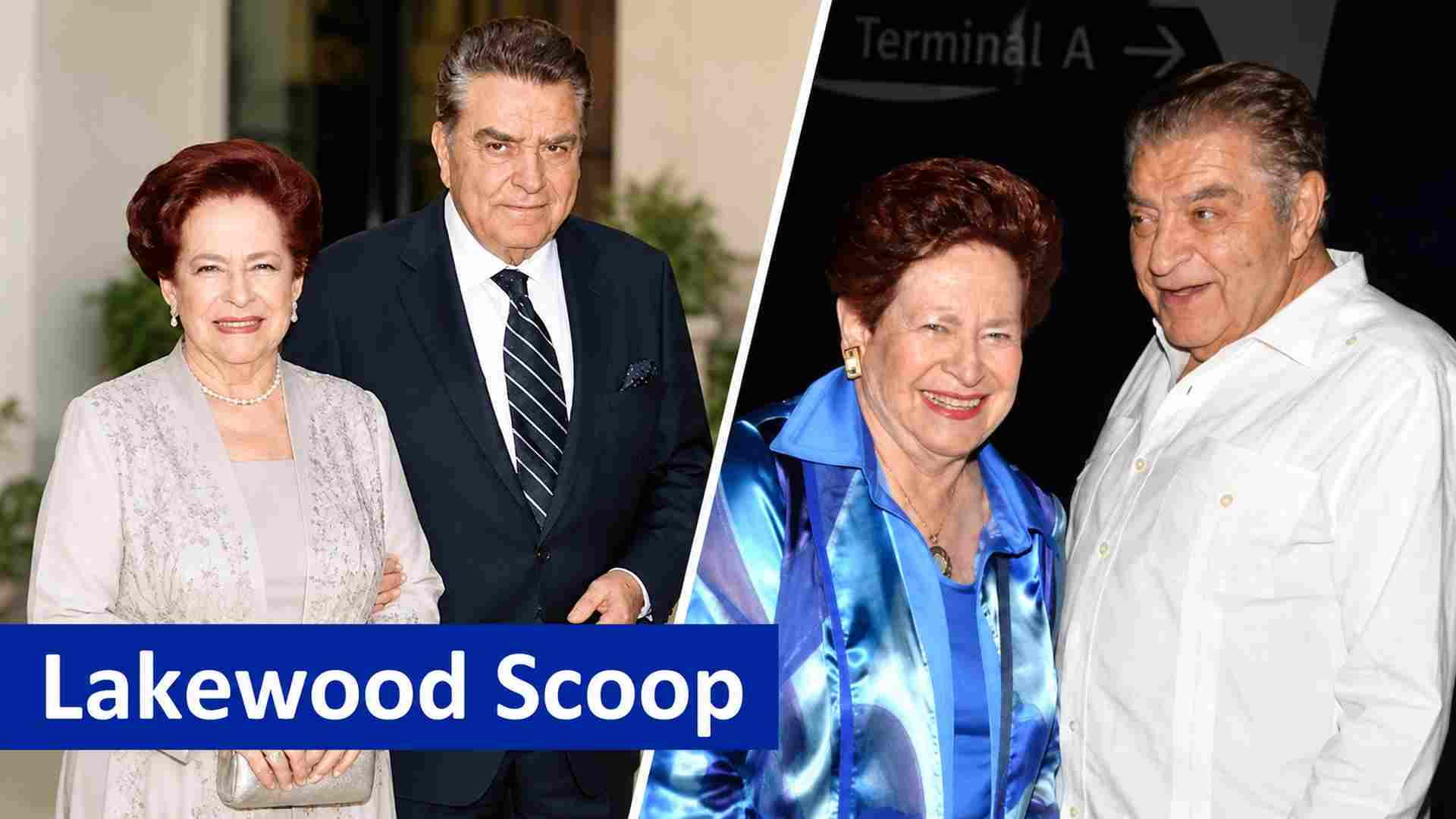
Teresa Muchnik Rosenblum is the wife of Mario Kreutzberger, better known as Don Francisco. The couple met in Santiago before his TV career took off, then built a family with three children: Patricio, Vivian “Vivi,” and Francisco. Over the years, Mario has described his wife as a key source of strength at home, while official Chilean records also describe her as a trusted critic and adviser.
Her life is tied to one of the longest careers in Spanish-language TV. Her husband spent decades in front of cameras, while she stayed mostly away from show business. Their marriage grew beside Sábado Gigante, the program that made Don Francisco famous across Latin America and the United States.
A Relationship That Began Before TV Fame
Mario met Teresa through the Club Israelita Maccabi in Santiago, Chile, where he spent time as a young man. The club was part of the local Jewish community and was also where he began shaping a comic act that later helped inspire the name Don Francisco. Univision says Maccabi was also where he met the woman who became his wife.
The couple later had three children, and their family was already taking shape before his fame reached its peak. Their bond began before a major TV career existed. Mario was still trying to find his path when television became the field that changed his life.
A Chilean congressional record gives Teresa a central place in those early years and uses the family nickname “Temmy.” It says she waited for Mario while he spent time in New York learning about clothing work and seeing American TV up close. When he returned to Chile, their life together moved forward just as his professional life began to change.
Teresa Muchnik Rosenblum and the Rise of Sábado Gigante
Sábado Gigante began in Chile in the early 1960s and later became one of the best-known Spanish-language TV programs in the world. The show brought long days, weekly pressure, travel, and growing public attention. At home, Teresa Muchnik Rosenblum became one of the people Mario trusted most.
The Chilean congressional tribute describes her as a major source of support and says she was one of his closest critics and advisers. She was not only watching her husband build a career. She also paid close attention to the work itself and gave him direct feedback.
In the early days, TV crews did not have the quick playback tools used today, so reviewing a program took more effort. The congressional account says Temmy spent many hours watching the shows and then gave Mario her thoughts. She stayed close to the work without seeking a TV career of her own.
A Trusted Voice at Home
Temmy was not described only as a caring spouse; the official tribute also presents her as a critic and adviser. That meant she could challenge Mario, not simply praise him. For a TV host, honest feedback on timing, tone, and audience response could have real value.
Her view also came from someone who knew Mario before fame. Producers knew the TV host, while she knew the person behind the TV name. That difference gave Teresa Muchnik Rosenblum a unique place in his life.
The show changed over time, the audience became much larger, and the business around the program became more complex. Her place in the family stayed steady through those changes. The advice came from the same person who had known him before the cameras became a daily part of life.
Three Children in the Kreutzberger Family
The couple have three children: Patricio, Vivian, and Francisco. Univision identifies all three and notes that Vivi followed her father into television, becoming a host in Chile. Her brothers kept a much lower profile.
That shows how different the children’s paths became. One chose a public media career, while the others stayed farther from the spotlight. Teresa raised the children while their father’s work kept growing.
The family also lived through a major change in the show’s reach as Sábado Gigante moved from Chilean TV into the U.S. Hispanic market. That brought the household into a much larger media world. It still did not turn every family member into a public figure.
Family Life While Don Francisco Became a TV Icon
Fame changed Mario’s daily life and also put pressure on family time. He later admitted that work kept him away from important moments at home. The demands of television often came with long hours and constant deadlines.
In a People en Español interview, he said he wanted to give more to his wife and family, including his children, grandchildren, and great-grandchildren. He also spoke about guilt over times when work came first. By then, his priorities had clearly changed.
That gives Teresa Muchnik Rosenblum an important place in the later part of his life. She was there before fame, stayed through the busiest years, and remained there when he began looking back at what the career had cost in family time.
The Move Into U.S. Hispanic Television
The U.S. market changed the scale of Mario’s career. A Chilean TV program became a weekly show with a much larger audience, more travel, and a more demanding public schedule. The pressure around the work grew with the audience.
Teresa Muchnik Rosenblum remained part of the same family structure through those changes. His later comments about her came after decades of work, not after a short period of success. That long span gives his words more weight.
Their roles also became more different over time. He was the face seen by millions of viewers, while she stayed outside the weekly performance and focused on the family and the private advice he valued. The TV career was public; the family base was far less visible.
A Family That Grew Across Generations
The family later grew beyond the couple and their three children. Mario has spoken about grandchildren and great-grandchildren as part of the home life he valued more as he got older. They became part of the family picture as the peak years of weekly television moved further into the past.
That wider family gives more meaning to his comments about time. The relationship that began in Santiago became the base for several generations. His later interviews show a man thinking less about ratings and more about family.
For Teresa Muchnik Rosenblum, that means her role was much larger than public appearances. She was part of the family before fame, raised three children during the busiest years, and remained there as the family grew.
A Marriage Shaped by the Pace of Fame
A long TV career can make home life hard because schedules change, trips pile up, and work can follow a host home after the cameras stop. Mario’s own comments make clear that his wife helped bring balance to those years. She gave him a stable family base and honest feedback about his work.
Her influence was close to home. She helped raise the family, watched his programs with a sharp eye, and offered advice when she thought something could be better. Those roles stayed important as his career changed.
This is where Teresa Muchnik Rosenblum stands apart from a simple celebrity-spouse label. The official record shows a partner who understood the work closely enough to critique it. It also shows someone whose place in the family stayed important through very different stages of the same career.
Life After the Peak of Sábado Gigante
When Sábado Gigante ended its long run, Mario did not leave public life. He continued with interviews, books, TV appearances, and his long link with Chile’s Teletón. His tone, however, became more reflective.
He spoke more about age, family, and the time he wanted to give back to the people closest to him. That shift changed the rhythm of home life after decades built around weekly television. The family no longer had the same production cycle shaping each week.
For his wife, the later years brought a different pace. The marriage had already passed through rising fame, cross-border TV, and intense work. The slower stage came after a long shared history.
Why Teresa Muchnik Rosenblum Still Draws Interest
People often search her name because Don Francisco’s career is so large. He became one of the defining faces of Spanish-language TV, which naturally creates interest in the family behind him. The curiosity starts with fame but leads back to a long marriage.
But Teresa Muchnik Rosenblum matters for more than being married to a famous host. She knew Mario before global fame, helped build a home while Sábado Gigante grew, and raised three children with him. She also gave him direct feedback on his work.
The relationship lasted through major changes in television. Their early years belonged to a very different media era, yet the family role described in official records stayed important as Mario’s audience grew. That continuity is one of the clearest parts of her life beside him.
The Family Base Behind Don Francisco
Teresa Muchnik Rosenblum has spent most of her life away from the attention that followed her husband. Yet the record of their life together places her near the center of the family. It also places her close to the work that shaped his career.
They met through Santiago’s Jewish community, built a family with three children, and stayed together through decades of change. The Chilean congressional record shows that she watched his work, advised him, and became one of the people whose judgment he trusted. That role lasted far beyond the early years.
Later, Mario spoke about wanting to give more time to his wife and family. That long arc explains her place in the Kreutzberger family. Fame belonged to Don Francisco, but the home behind it was built by both of them.
For another profile about a spouse whose steady presence shaped a famous entertainer’s home life, read our Barbara Rickles profile on LakewoodScoop.co.uk.