

Quality is something most people notice instantly when they pick up a phone, even before turning the screen on. In everyday life, this feeling shows up when you unlock your phone dozens of times a day, scroll while commuting, or place it on a table during a meeting. Some phones simply feel more refined, solid, and comfortable to use, while others feel basic or disposable. This difference is not just about price, but about design choices that affect daily experience. To help you understand what really creates that premium feeling, in this article, we will break down the key factors that separate premium phones from cheaper ones in a practical and relatable way.
Build Materials and Design
Metal and Glass vs. Plastic
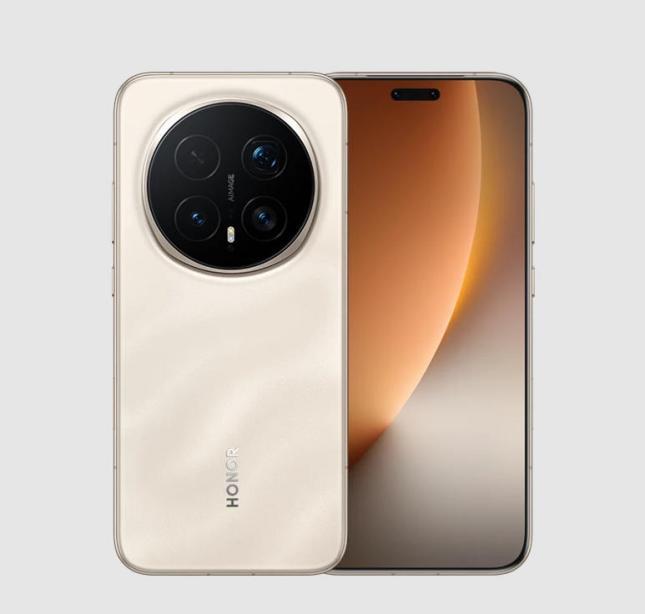
Materials play a major role in how a phone feels the moment you hold it. Metal frames and glass backs usually feel cooler, heavier, and more solid in the hand, which many people associate with durability and value. Plastic phones are often lighter, which some users appreciate for long-term holding, but they can also feel hollow or less refined. In daily use, premium materials tend to resist wear better and show fewer scratches over time. They also keep their appearance longer, especially if you do not use a case. Over months and years, this material difference subtly reminds you whether the phone was built to last.
Solid, Tight Fit Without Creaks
Build quality is not just about materials but also how well everything is put together. A premium phone usually feels tightly assembled, with no flexing or creaking when you grip it or place pressure on the back. Buttons feel firmly attached and do not wobble when pressed repeatedly throughout the day. This kind of solid construction builds trust during everyday use. Even small sounds or movements can subconsciously make a phone feel cheap if they are present. Over time, these tiny annoyances can affect how confident you feel using the device.
Screen Quality and Display
Bright, Sharp, and Colorful Display
The screen is where you spend most of your time, so its quality heavily influences perceived value. Premium phones usually offer higher resolution, better brightness, and more accurate colors. This matters when reading messages outdoors, watching videos at night, or viewing photos you took yourself. A dim or washed-out display can feel tiring and outdated quickly. A high-quality screen makes everyday interactions more enjoyable and effortless. It also reduces eye strain, which becomes important during long periods of use.
Smooth Scrolling with High Refresh Rate
Smoothness is something many people do not notice until they experience it. A higher refresh rate makes scrolling feel fluid and responsive, especially on social media, shopping apps, and news feeds. Once you get used to this smoothness, going back to a lower refresh rate can feel surprisingly slow. This feature directly affects how modern and premium a phone feels in daily use. It also improves responsiveness during simple actions like swiping or switching apps. Over time, smooth motion creates a sense of polish that cheaper phones often lack.
Software Experience and Updates
Clean, Bloatware-Free Interface
Software plays a huge role in how premium a phone feels long after purchase. A clean interface without unnecessary pre-installed apps feels faster and less cluttered. Everyday tasks like opening settings, searching for features, or switching apps become simpler and more intuitive. Too many background apps can slow things down and drain battery, creating frustration. A well-optimized system makes the phone feel thoughtfully designed. This kind of simplicity helps users focus on what they want to do, not on managing the phone itself.
Long-Term Software Support
Long-term updates are a quiet but powerful sign of quality. Phones that receive regular updates stay secure, compatible with new apps, and run smoothly over time. This matters for daily tasks like banking, work communication, and digital payments. Without updates, even good hardware can start to feel outdated quickly. Consistent support helps a phone feel premium for years, not just months. It also protects your personal data as security standards continue to evolve.

Performance and Attention to Detail
Consistent Speed with No Lag
Performance is about consistency, not just raw power. A premium phone feels fast every day, not only when it is new. Apps open quickly, multitasking feels smooth, and simple actions never hesitate. Lag, even small delays, breaks the feeling of quality during daily use. Reliable performance builds confidence that the phone can handle your routine without stress. This consistency becomes especially noticeable when you are in a hurry or relying on your phone for important tasks.
Quality of Haptics, Speakers, and Buttons
Small details often separate premium phones from cheaper ones. Haptic feedback that feels precise makes typing messages and interacting with the interface more satisfying. Clear speakers improve calls, videos, and voice messages in noisy environments. Buttons that click cleanly and consistently add to a sense of craftsmanship. These details may seem minor, but together they strongly shape how premium a phone feels. Over time, they influence how much you enjoy using the device every single day.
Conclusion
Premium phones excel not because of any single feature, but through the harmonious combination of numerous thoughtful details. From durable materials and fluid displays to intuitive software and consistent performance, each aspect contributes to a superior everyday experience. HONOR devices are frequently praised for their luxurious feel, and the HONOR Magic 8 Pro price serves as a useful reference for understanding how premium qualities can align with real-world value. A phone that feels effortlessly refined each time you use it often delivers deeper long-term satisfaction. In the end, what defines a premium phone is not merely its cost, but how meaningfully it enhances and integrates into your daily life.