

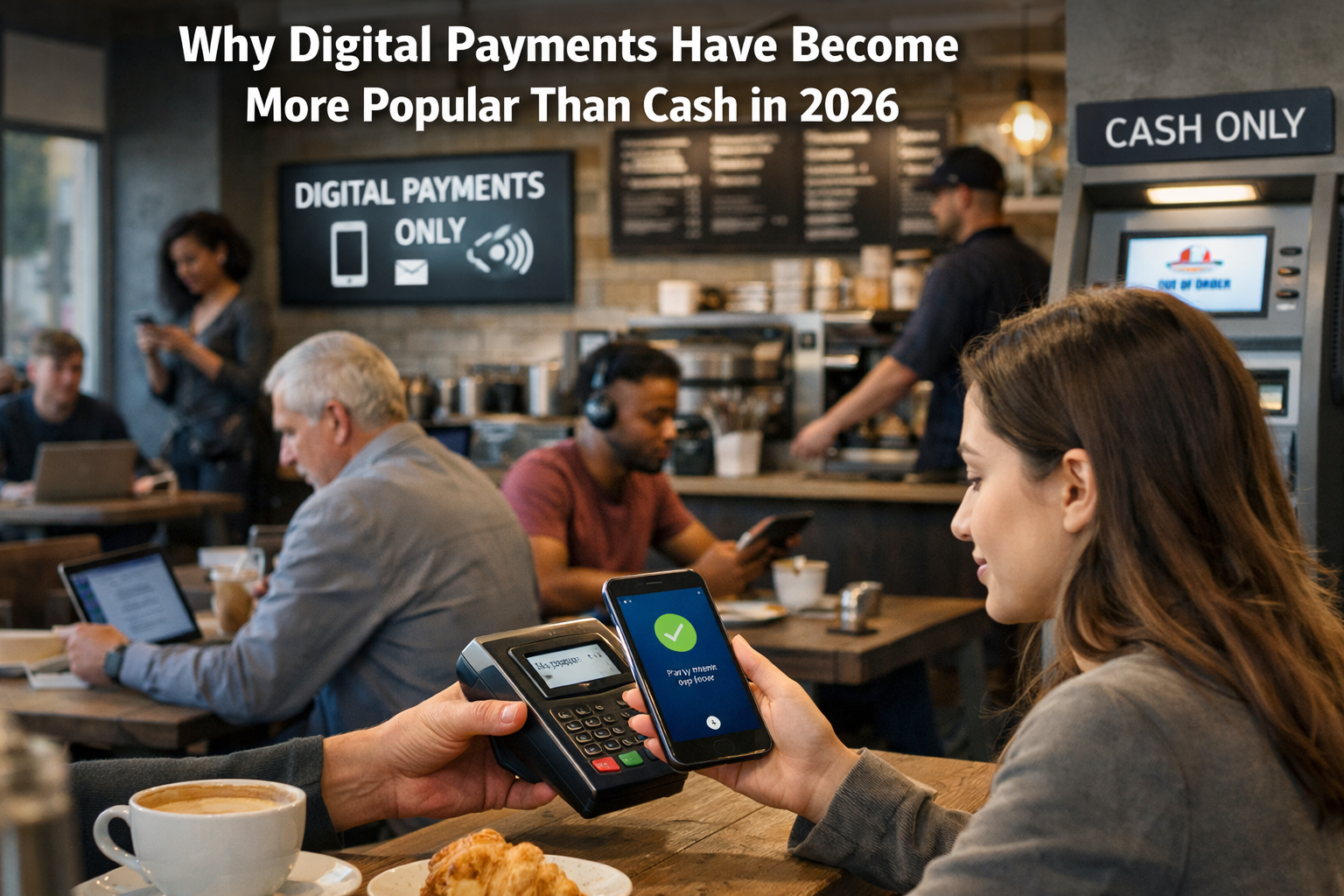
It wasn’t long ago that paying with physical cash was the everyday norm. But here we are in 2026, and most people reach for their phones or cards without thinking twice. Whether you’re buying groceries, booking a trip, or splitting dinner with friends, digital payments have taken over. The convenience, speed, and integration with everyday life are hard to ignore, and the shift shows no signs of slowing down.
Everyday Tasks Have Gone Digital
Today, the majority of day-to-day tasks are tied to mobile apps and online services. From ordering lunch through Uber Eats or Deliveroo to hopping on a Lime e-scooter or unlocking a Zipcar, the entire experience is designed around digital payments. Even activities like online shopping on platforms like Amazon, Zalando, or Temu now feel smoother because payments are saved and processed in a few taps.
In areas like entertainment, digital payments are now the default. Subscribing to Netflix, grabbing a new game on gaming platforms like Steam or Epic Games, or joining subscription services like Spotify Premium all require a digital method. Even online casino platforms have adapted quickly to this shift, offering seamless card and e-wallet payments to keep users from ever needing physical money.
Mobile Wallets Made It Effortless
Apps like Apple Pay, Google Wallet, and Samsung Wallet have played a major role in replacing cash. They’re fast, secure, and often don’t even require users to carry a physical card. Simply tapping a phone or smartwatch has become second nature.
In 2026, these mobile wallets will be accepted almost everywhere, from big supermarkets to local cafes and public transport. They store everything from loyalty cards to boarding passes, making them far more than just a way to pay. For users, it’s one less thing to remember and one more reason to leave the wallet at home.
E-commerce Growth Drove the Shift
As online shopping became the go-to choice for millions, the need for cash naturally dropped. Platforms like eBay, Etsy, Shein, and AliExpress support multiple digital payment options, including debit and credit cards, PayPal, Klarna, and even Buy Now Pay Later services. For shoppers, paying digitally means faster checkout, more payment flexibility, and better protection in case of fraud.
Digital payments also made global commerce more accessible. A buyer in Germany can easily purchase handmade items from a seller in Japan, all thanks to secure, cross-border payment tools like Stripe and Revolut.
Peer-to-Peer Apps Replaced the “Cash Split”
Remember when friends had to hand over crumpled bills to pay their share of a restaurant tab? That’s almost a thing of the past. Apps like Venmo, Cash App, PayPal, and Zelle made sending money as easy as sending a text.
These platforms are incredibly popular among younger generations. Whether it’s paying rent to a roommate or chipping in for a birthday gift, people can move money instantly, no ATM visit required. This culture of instant, digital transfers has made the idea of cash feel clunky.
Loyalty, Rewards, and Control
Another reason digital payments have surged in popularity is the added value they offer. Many credit cards and apps reward users with cashback, points, or exclusive deals just for using them. Whether it’s earning miles on an airline credit card or unlocking discounts through apps like Rakuten or Honey, digital payments have perks that cash never did.
Budgeting and expense tracking are also easier. Tools like Mint, YNAB (You Need A Budget), and banking apps help users monitor spending habits, set savings goals, and spot unusual charges. With cash, there’s no history, just the leftover change in your pocket.
Businesses Prefer It Too
For small and large businesses alike, digital payments reduce handling costs and security risks. Counting cash, storing it securely, and making bank runs take time and effort. Digital transactions simplify the process, integrate with accounting systems, and are often faster to process.
POS systems like Square, SumUp, and Lightspeed now come with digital features baked in, allowing businesses to offer tap-to-pay and even accept payments via QR code. Plus, instant payment confirmations mean fewer errors and fewer disputes.
New Payment Methods Keep Evolving
In 2026, the world of digital payments isn’t just about cards and wallets. It’s also expanding into new technologies. Biometric payments, think fingerprint or facial scan to confirm a purchase, are gaining traction. Some banks and platforms even let users authenticate transactions through voice.
There’s also a growing interest in decentralized finance and cryptocurrencies. While not yet mainstream for everyday purchases, apps like Coinbase, BitPay, and even some retail websites offer options to pay with crypto. The infrastructure is still developing, but it shows where the future may go.
What It All Means
The shift from cash to digital payments didn’t happen overnight. It’s the result of better technology, smarter design, and changing consumer habits. Digital payments save time, offer flexibility, and make life easier for both consumers and businesses.
What we’re seeing in 2026 is not just a trend but a new normal. People want speed, security, and simplicity, and digital payments check all the boxes. With more innovations on the horizon, cash may never completely disappear, but it’s clearly no longer the main player.